Home » Enough water for the Island, always.
Enough water for the Island, always.
Water is essential to every aspect of Island life. It supports our homes, businesses, public services, economy and environment.
As Jersey’s water supplier, we’re planning ahead. Forecasts show that by 2035, the Island could face a water shortfall of up to 8.6 million litres a day during a severe drought. At the same time, dry periods are expected to become more frequent and less predictable.
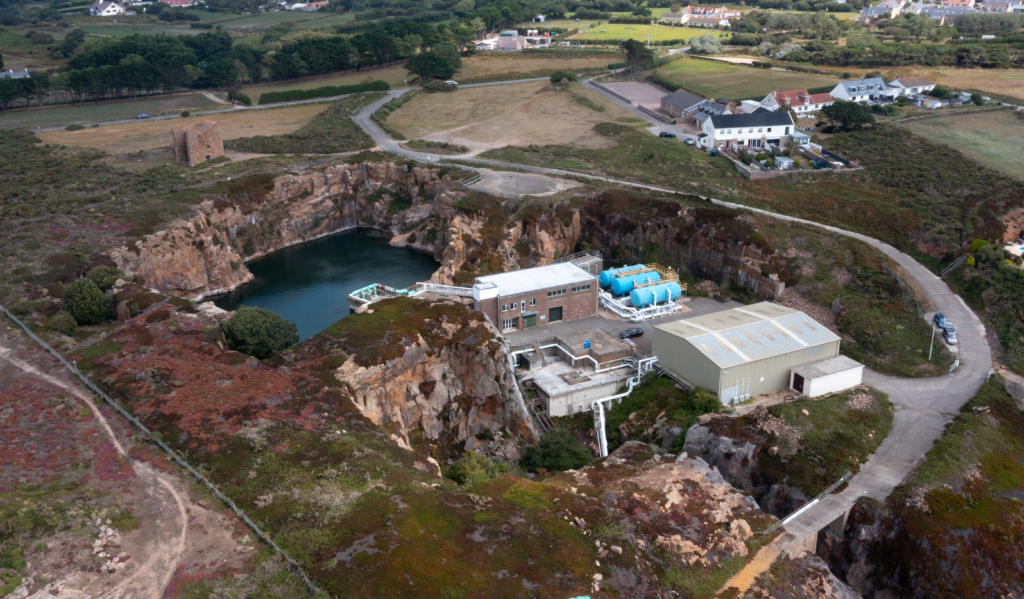
To help secure Jersey’s future water supply, we’re proposing a significant upgrade to the desalination plant at La Rosière, Corbière. The project, valued at around £26 million, would modernise ageing infrastructure and increase its output by up to 50%, from 10.8 million litres to 16.2 million litres of water per day.
The investment will help make sure there’s enough water for the Island, always.
Why the project is needed
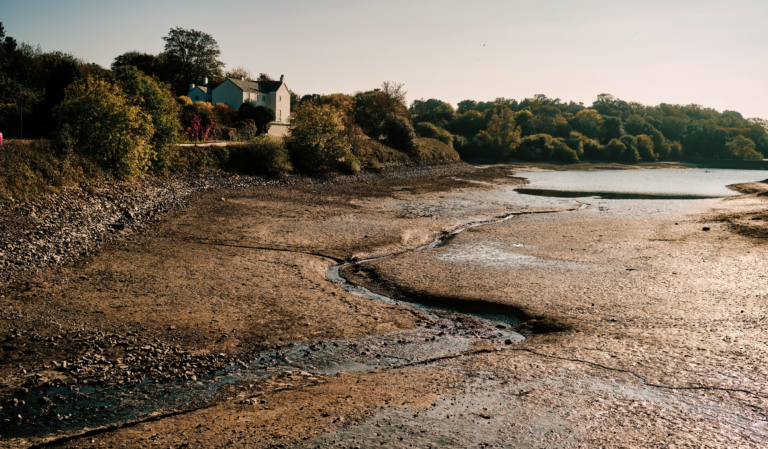
Even when full, Jersey’s reservoirs hold around 120 days’ worth of water. During prolonged dry weather, reservoir levels can fall significantly, which puts more pressure on our water resources.
Recent dry summers have shown why a resilient water supply is essential. Desalination provides a reliable source of water that does not depend on rainfall, helping protect the Island during droughts and periods of uncertainty.
Why desalination?
Thorough assessments of future water supply options have consistently identified desalination as one of the most reliable and cost-effective ways to strengthen Jersey’s water resilience.
The benefits of desalination include:
- Producing drinking water regardless of rainfall
- Uses an existing operational site
- Can be delivered more quickly than alternative large-scale schemes
- Increases resilience during droughts
- Supports homes, businesses and public services across the Island.
The proposed upgrade
Although the existing plant continues to operate and can currently produce more than half of the Island’s average daily water demand, much of the plant is reaching the end of its operational life and now requires substantial renewal.
The proposed upgrade will:
- replace ageing equipment
- increase capacity by 50%
- improve reliability and efficiency
- remove redundant and unusable buildings
- construct new facilities designed to integrate the site more effectively
- retain and improve a critical part of Jersey’s water infrastructure.
Environmental considerations
The proposal focuses on upgrading an existing developed site rather than building on a new location.
Environmental considerations have formed a key part of the planning and design process.
The project design aims to minimise any negative impacts and will take into account:
- The upgraded plant’s visual impact
- Ecology
- Marine biology
- Energy efficiency
- Construction work
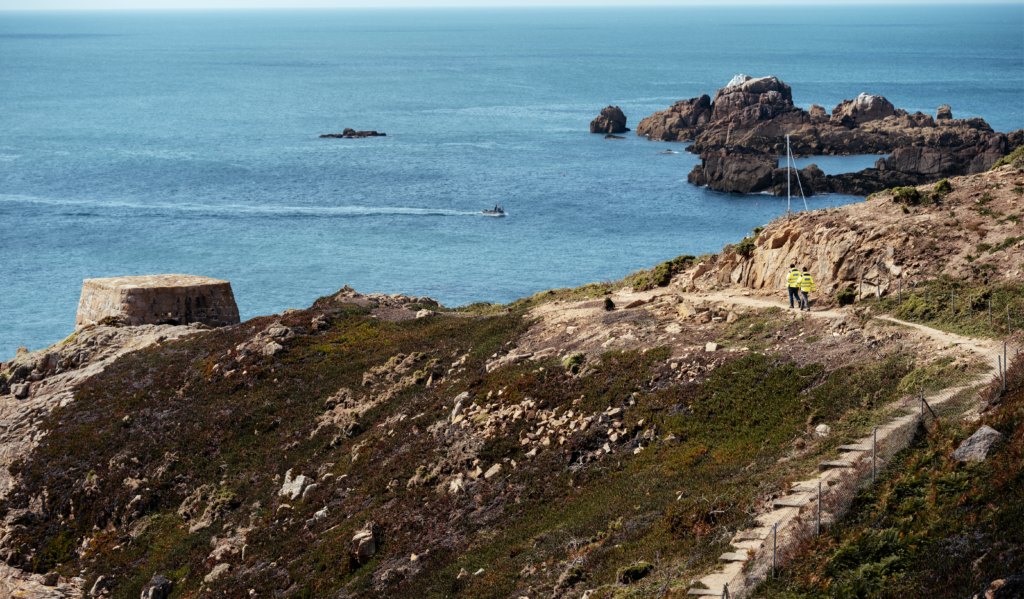
- Access to the surrounding countryside
- Temporary traffic disruptions.
Early preparation work
A pre-planning application for preliminary demolition work is being submitted.
This is to request permission to remove old and disused parts of the site, which is necessary for health and safety reasons, but will also make it easier to start the upgrade work in 2027.
The first planning application is for:
- the demolition of a small two-storey disused building in the quarry area
- the excavation/removal of disused basement rooms
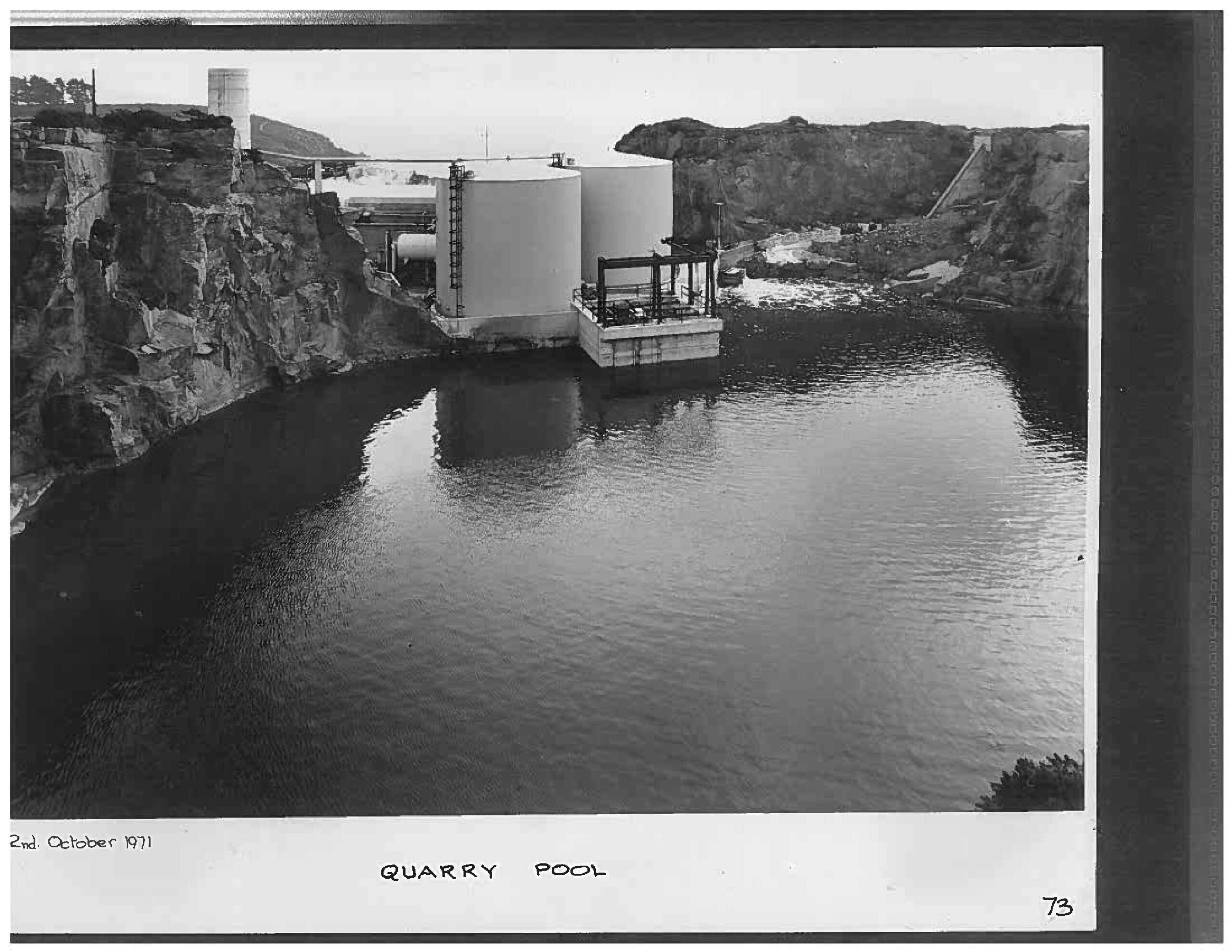
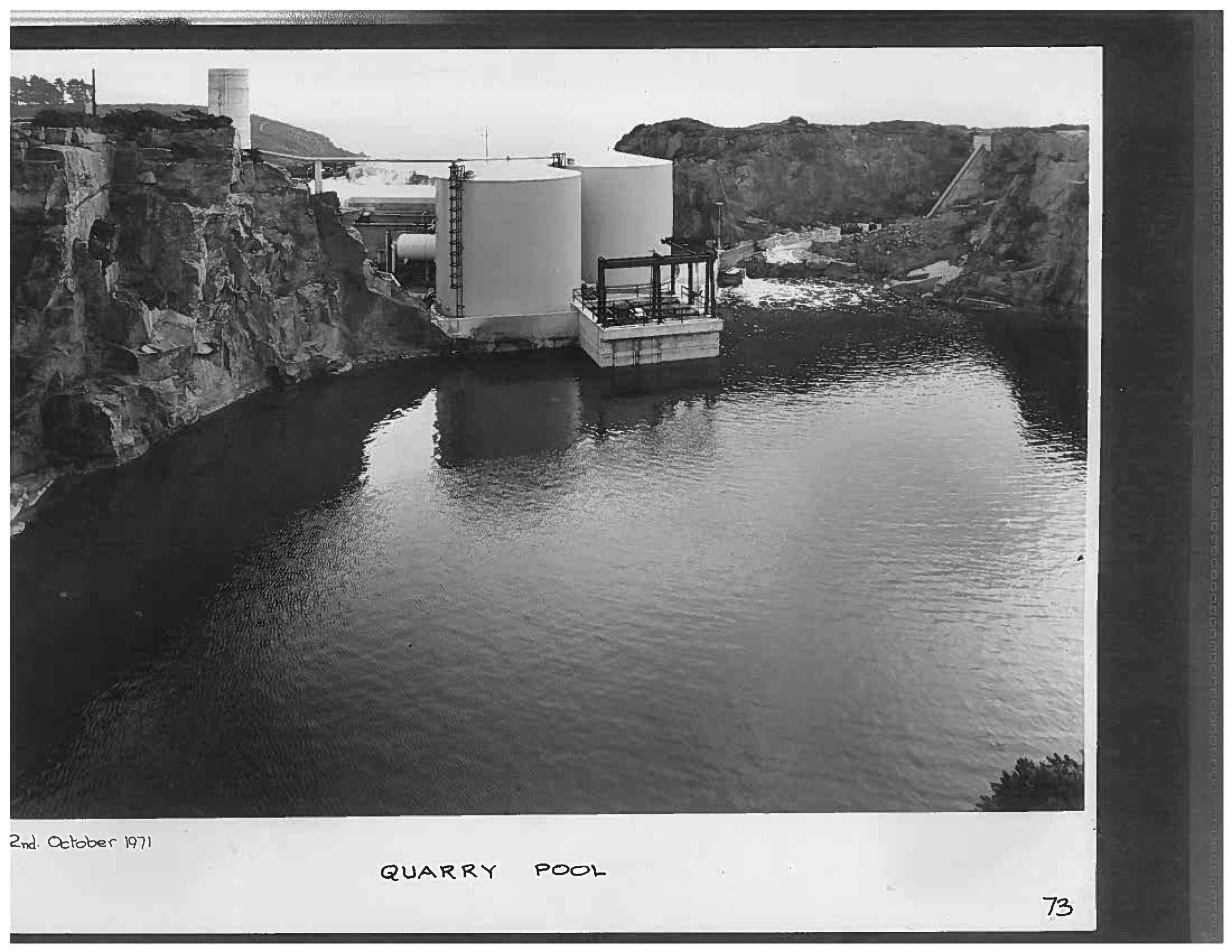
- levelling a concrete area by the quarry pool
Separating the planning application for this part of the work means that we can use the quiet winter period when the plant is not likely to be needed.
Subject to approval, demolition could begin in January / February and is likely to take around one month.
A further planning application will be needed for the main upgrade building work.
Have your say
Before we submit the main planning application, we will ask nearby residents, Islanders, community groups and local businesses what they think of the plans.
Your feedback will help shape the project as it develops.
About the desalination plant
Our desalination plant (La Rosière, Corbière) is our backup water supply which removes salt from seawater, which is then pumped into reservoirs for treatment.
It’s a vital piece of infrastructure that helps us maintain the Island’s water supply during droughts and periods of low reservoir levels.
The plant uses a process called reverse osmosis to remove salt from seawater.
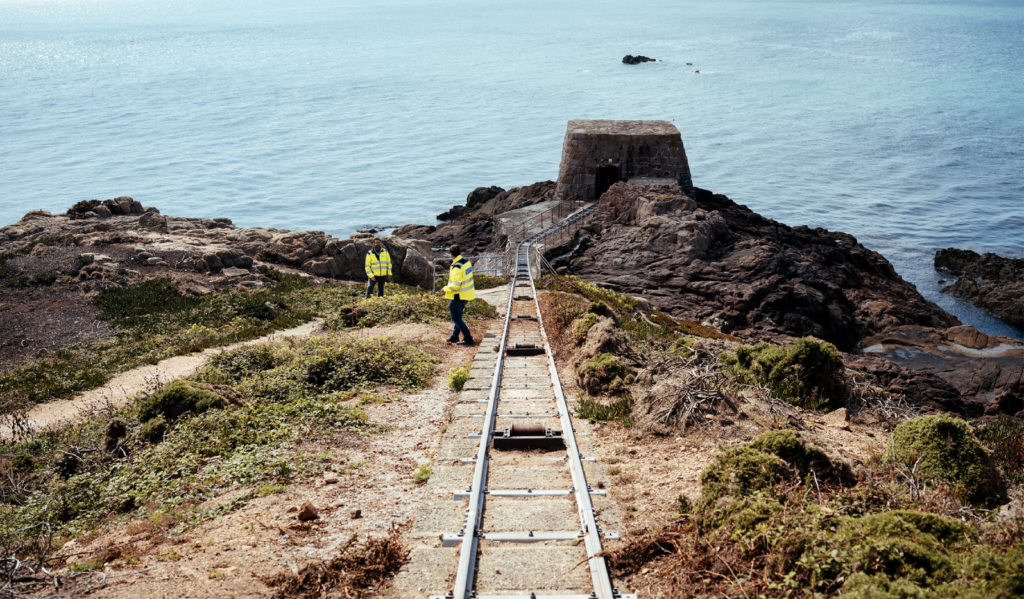
How the desalination plant works
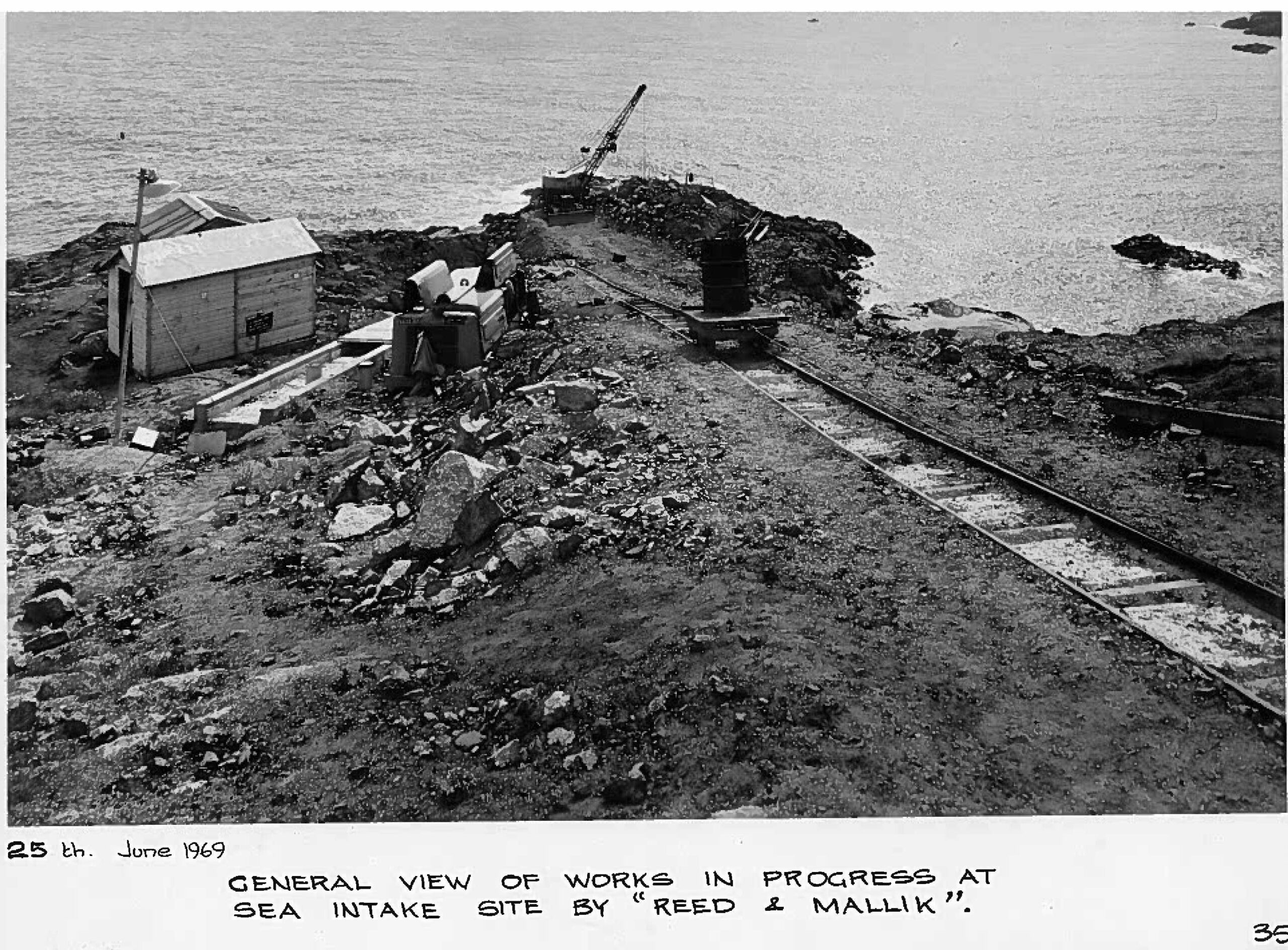
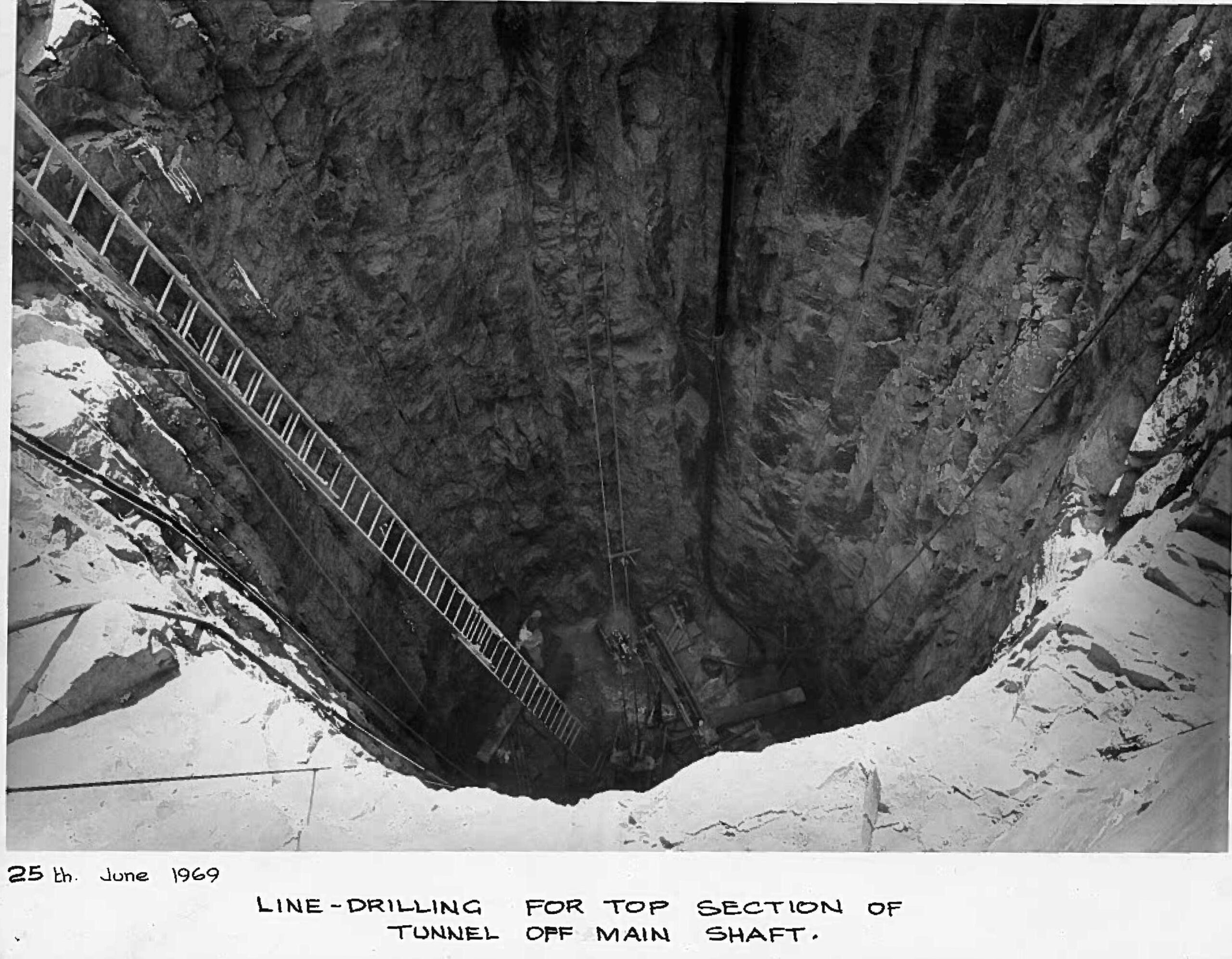
Seawater is pumped into the plant through an intake tunnel. This filters the water to remove seaweed, debris, and other particles.
The filtered seawater is then forced through reverse osmosis membranes at high pressure to remove salt and other impurities.
This produces fresh water that is pumped to Val De La Mare reservoir ready for treatment.
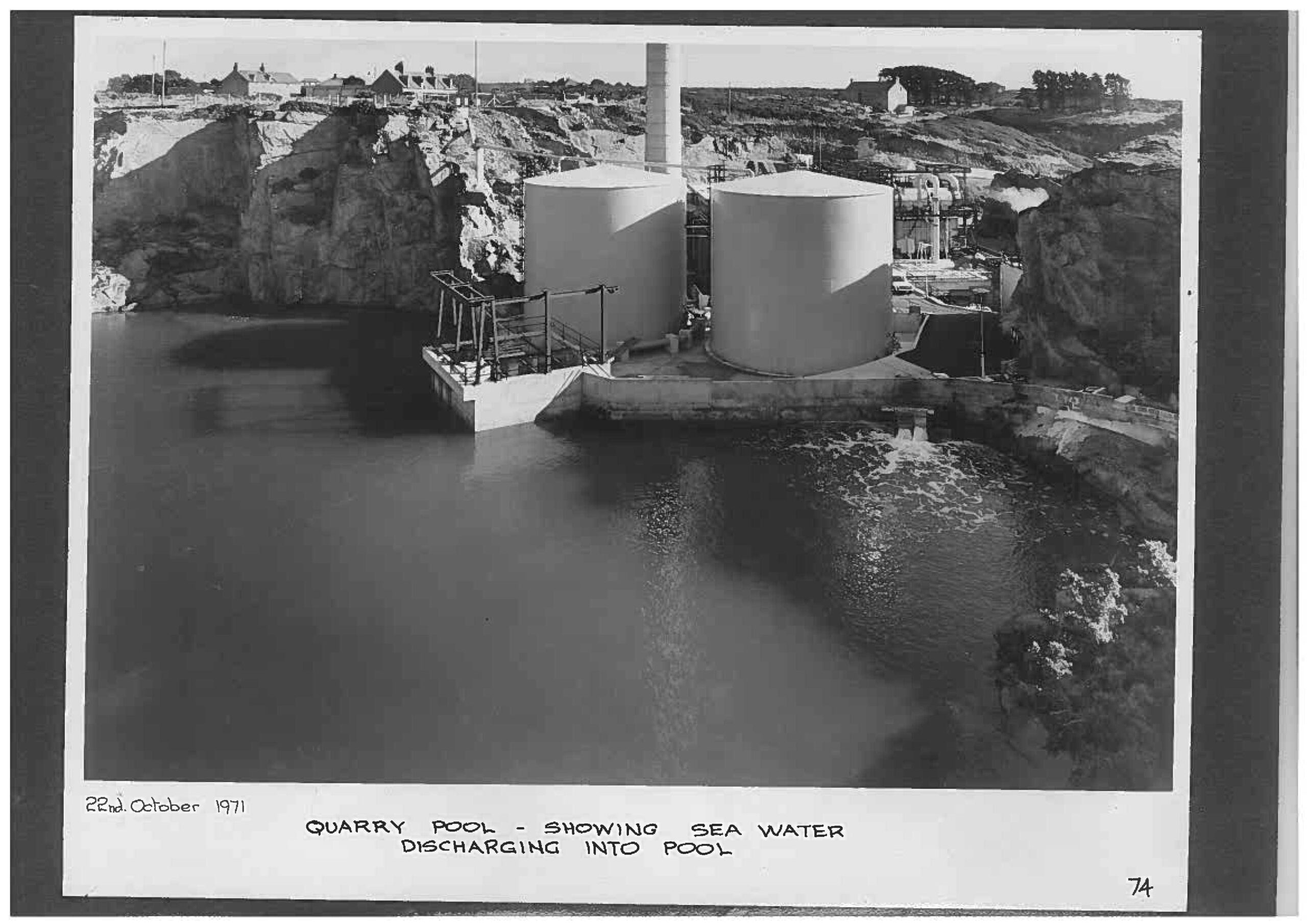
The remaining concentrated salt water (brine) is then safely pumped into the sea.
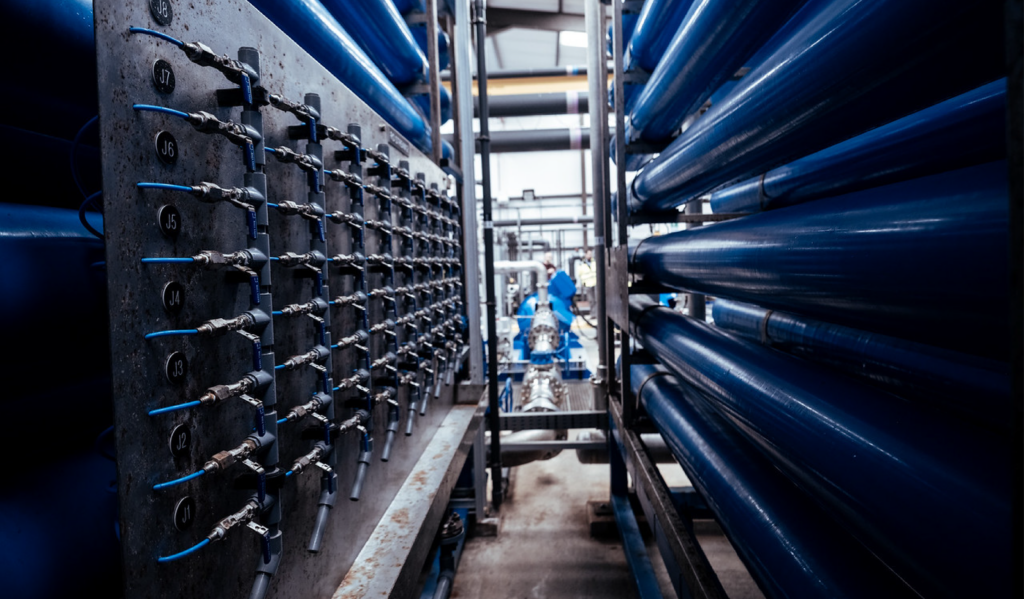
The history of desalination in Jersey and la Rosiere site
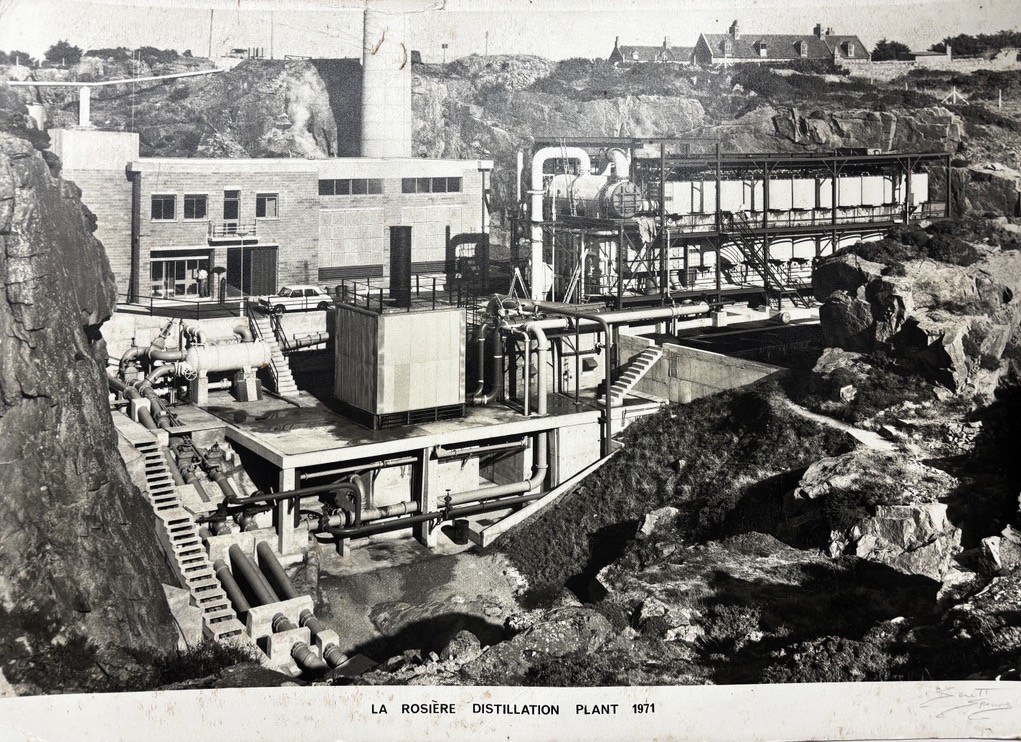
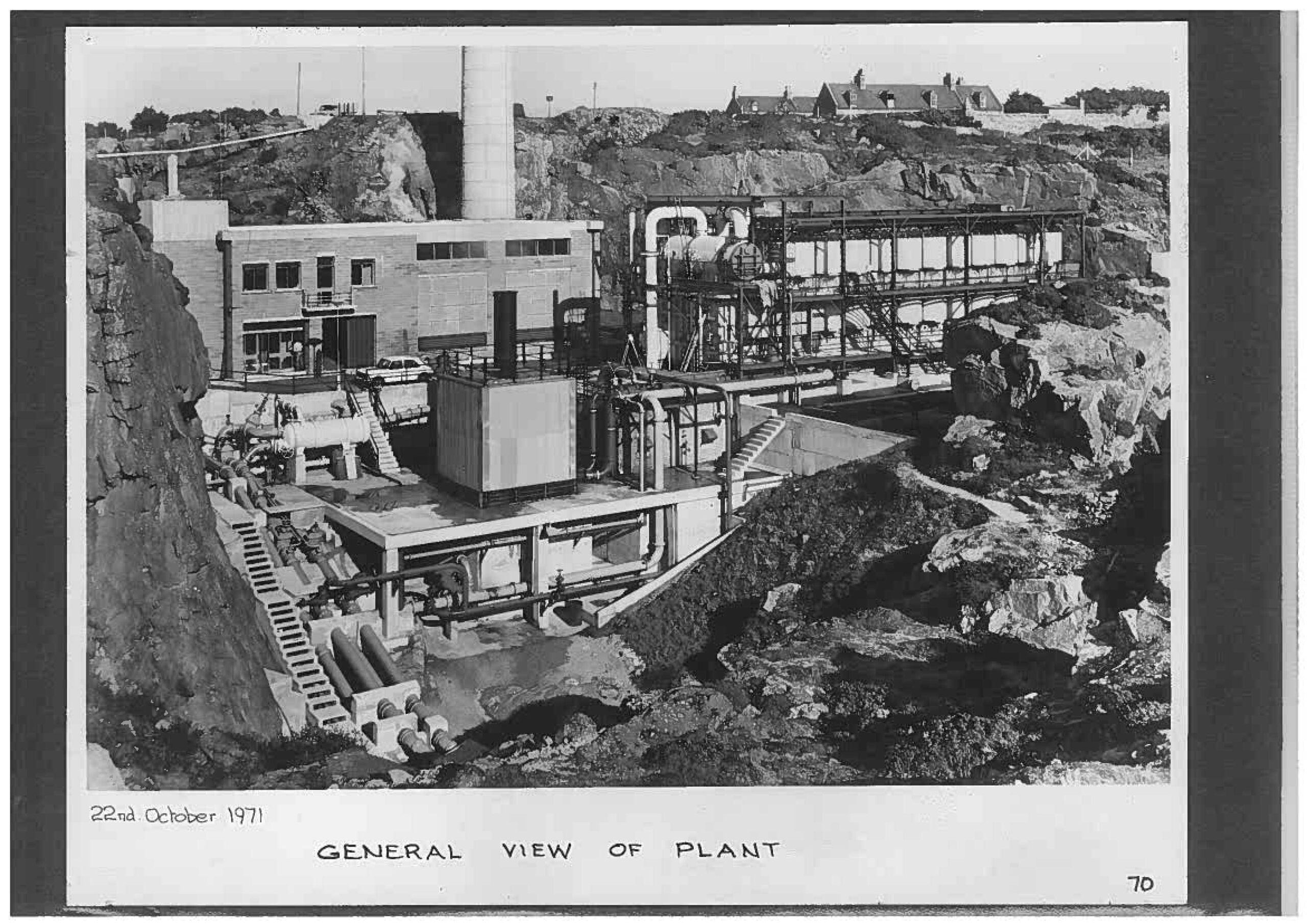
The site at La Rosière has a long history of supporting infrastructure projects. In the late 19th century, granite from a quarry in the area was used in the construction of London’s Victoria Embankment, a significant civil engineering project at the time.
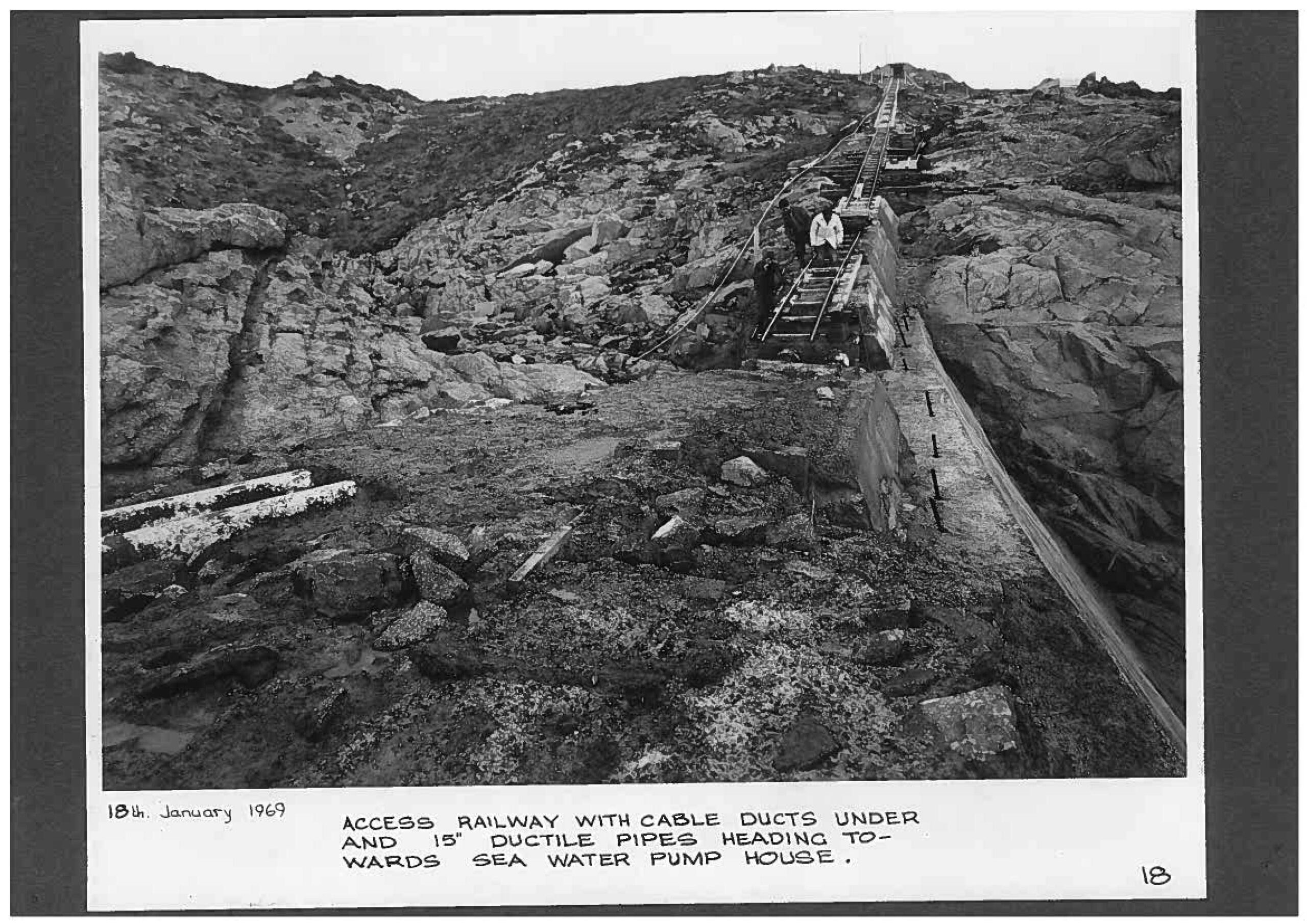
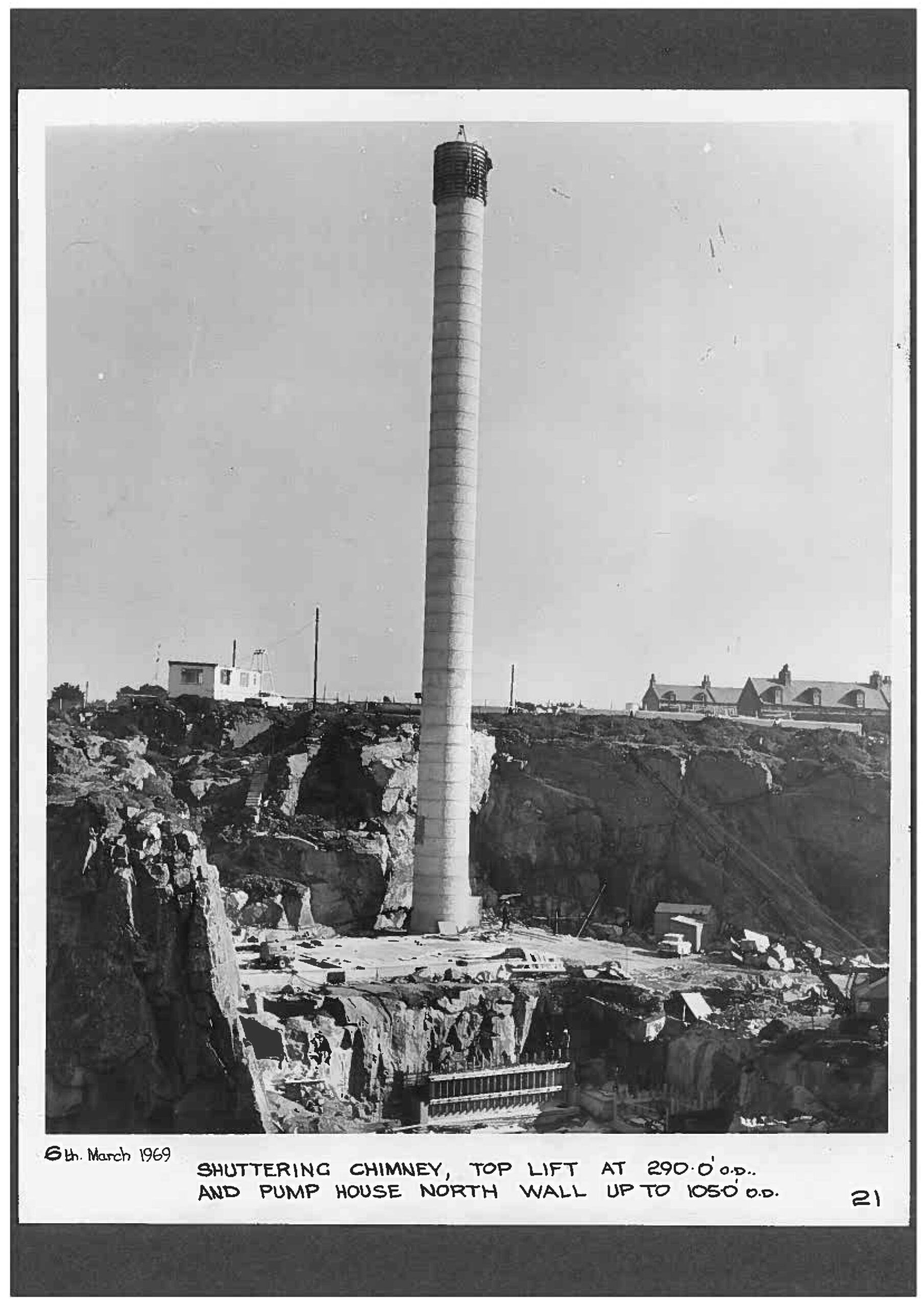
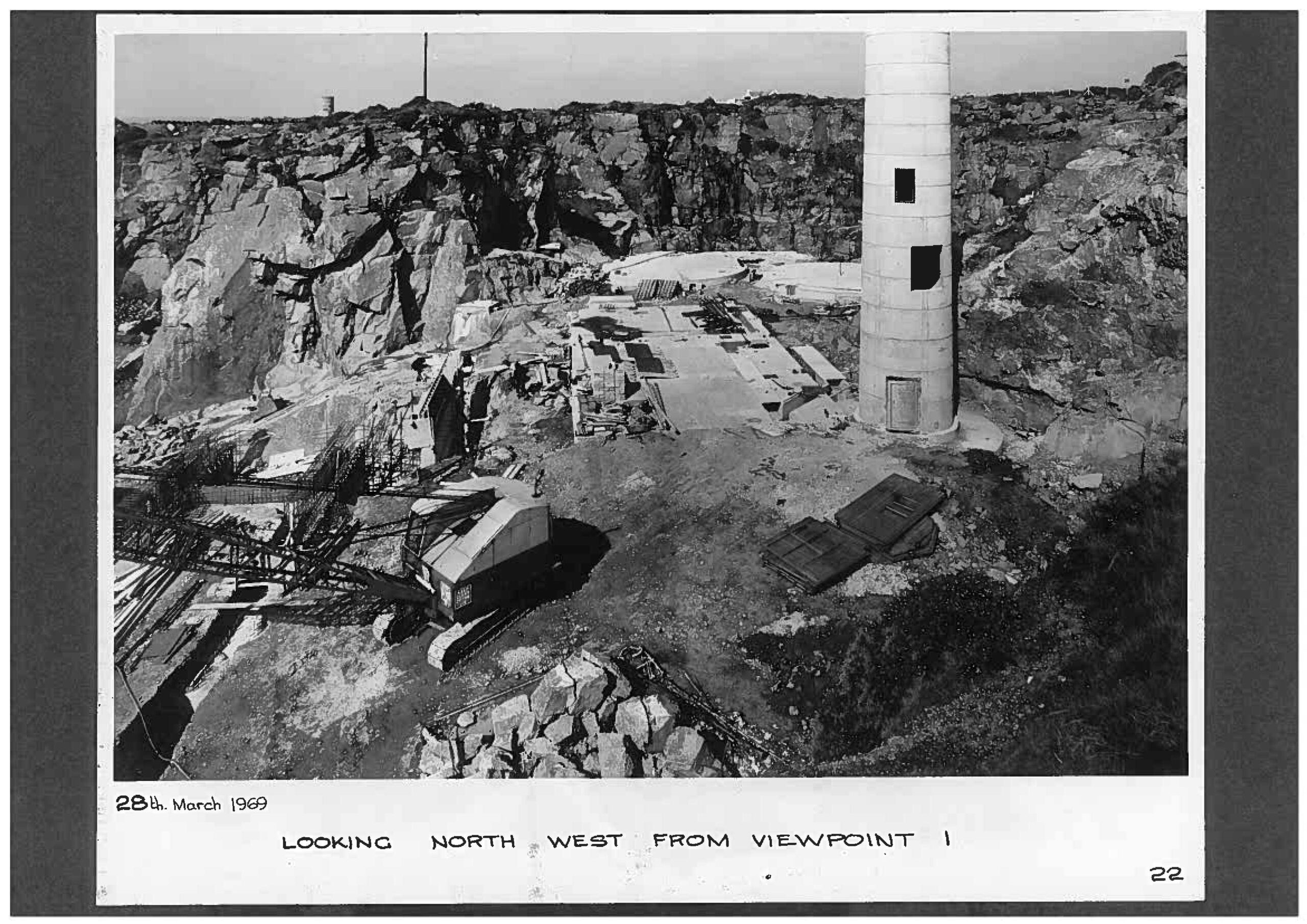
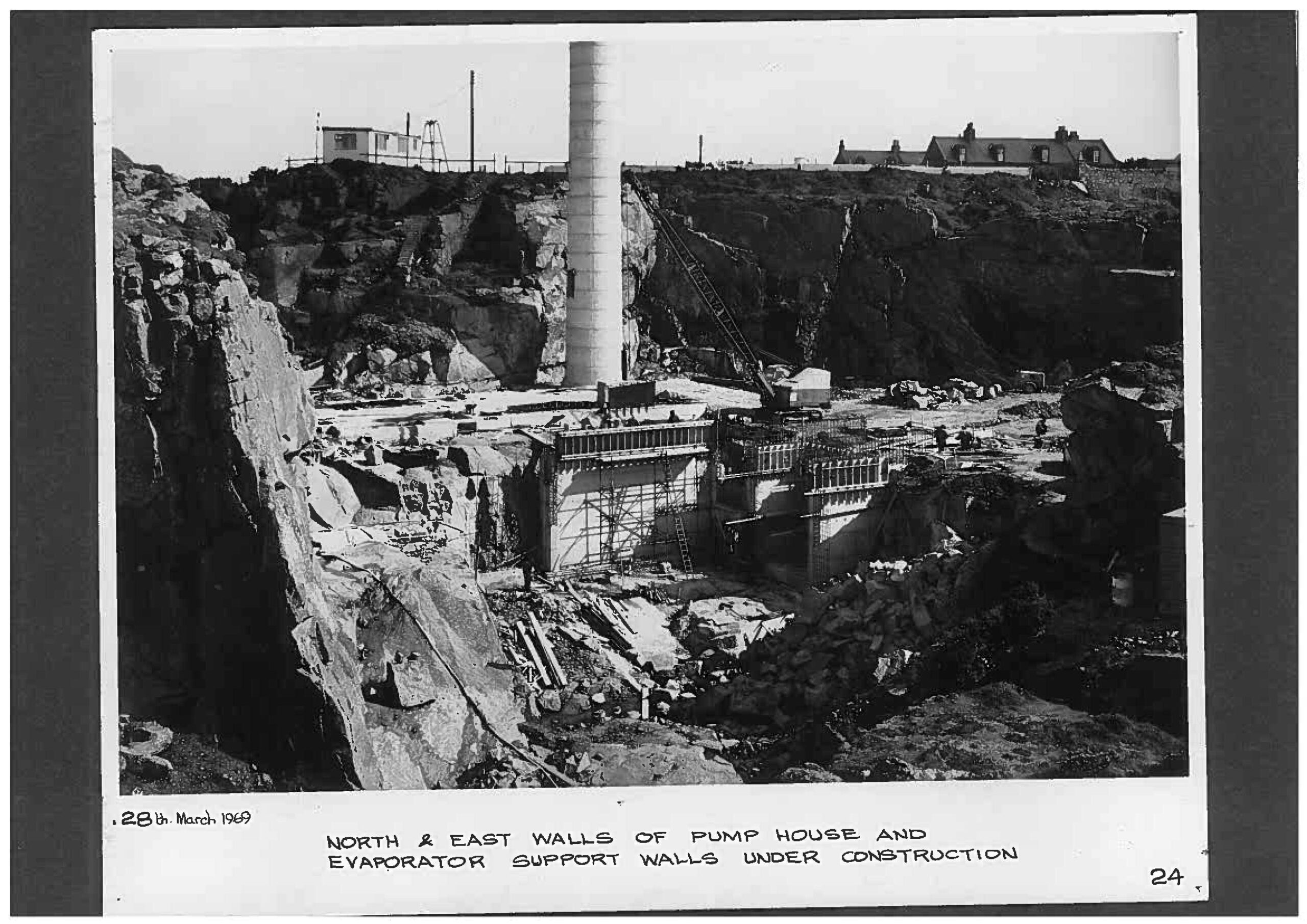
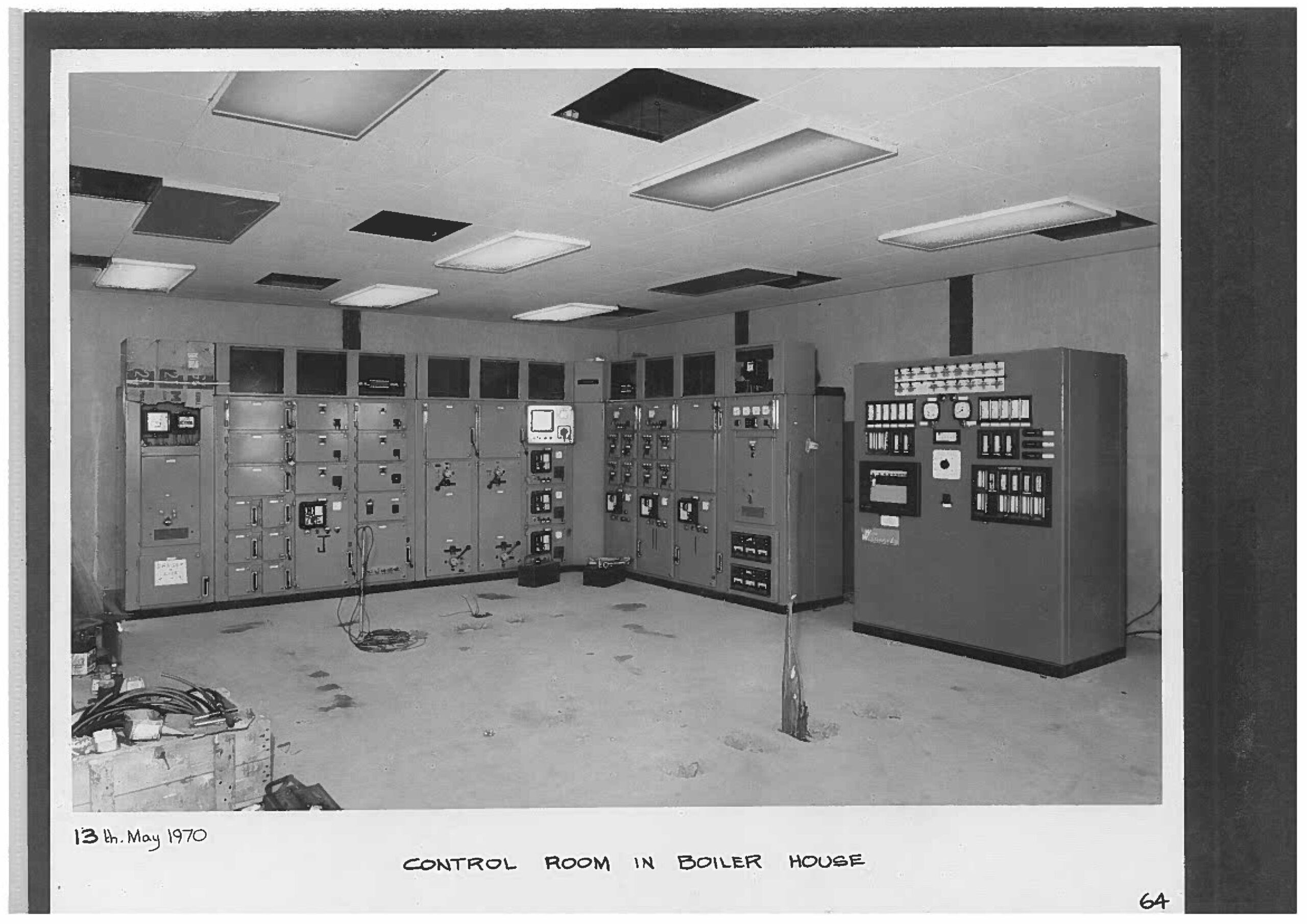
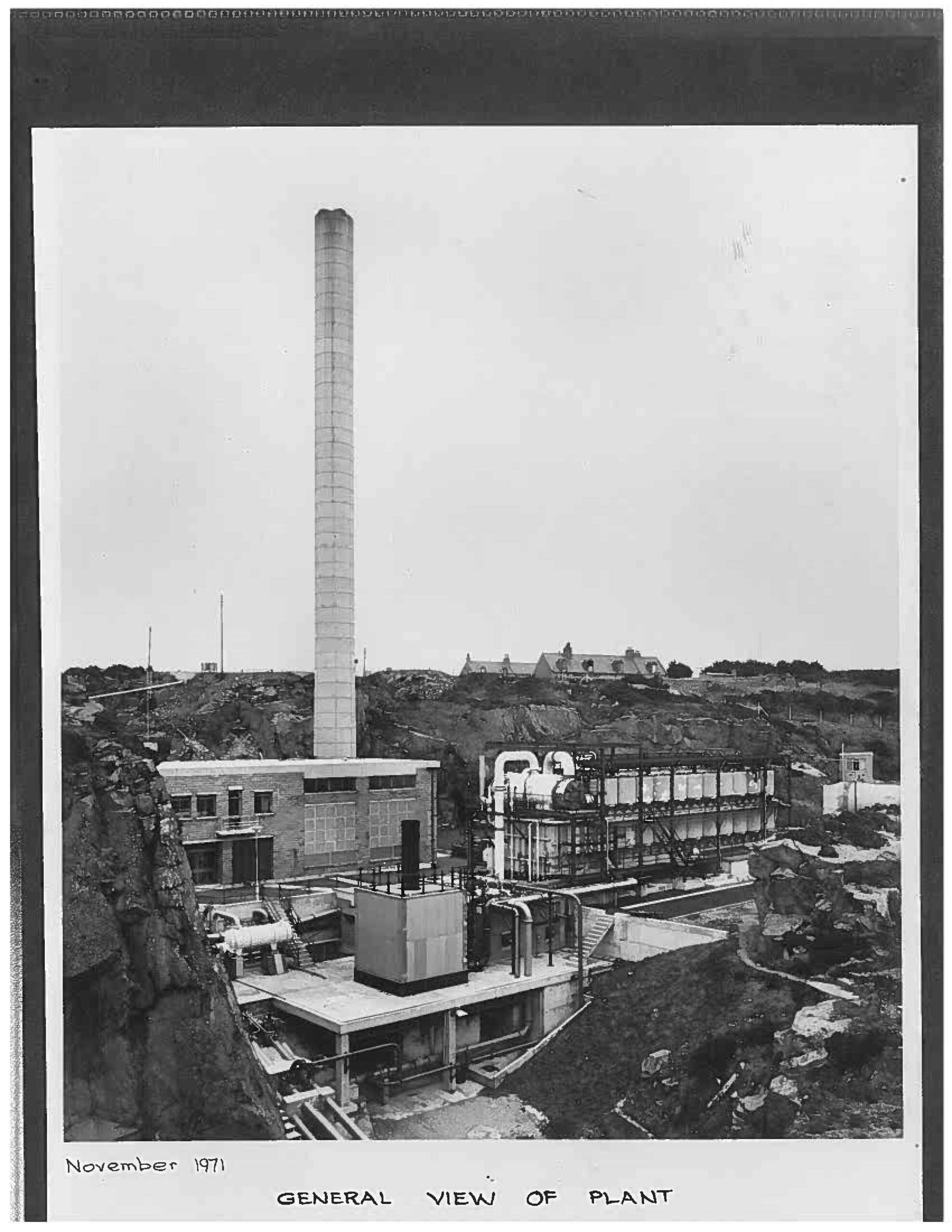
In the 1970s, the site became home to the first seawater desalination plant in the British Isles. Built within the former quarry and officially opened in 1970, the plant used a multi-stage flash (MSF) distillation process, which converted seawater into drinking water by heating it under vacuum and condensing the resulting vapour.
The plant was considered pioneering at the time and attracted international attention. In 1970, Prince Mohammed bin Faisal Al Saud, a key figure in the development of desalination in Saudi Arabia, visited La Rosière and Handois Water Treatment Works to learn more about Jersey’s approach to desalination and water treatment.
As technology advanced and the original plant reached the end of its operational life, Jersey Water invested in a replacement facility. In 1999, a new reverse osmosis (RO) desalination plant was officially opened by General Sir Michael Wilkes, the Lieutenant Governor of Jersey at the time. The new technology offered a more efficient way of converting seawater into fresh water.
Investment in the site has continued. In 2016 and 2017, the plant underwent a major upgrade, increasing its production capacity from six million litres of water per day to 10.8 million litres per day. Today, the desalination plant remains an important part of Jersey’s water supply infrastructure, providing additional resilience during dry periods and times of high demand.
The proposed further upgrade represents the next phase in the site’s evolution. Building on more than 50 years of desalination at La Rosière, it will modernise ageing infrastructure and increase the plant’s capacity and resilience, helping to make sure it continues to play a vital role in securing Jersey’s water supply for future generations.
Timeline
- 1970: original desalination plant was commissioned and used xx technology to remove salt from seawater
- 1999: the plant was replaced with the more modern reverse osmosis technology.
- 2016/17: the plant’s water output capacity was increased from 6 million litres per day to approximately 10.8 million litres per day.
- 2026: planning application for the next major upgrade will be submitted.
- 2027: building work expected to begin, subject to approval.
- 2030: upgraded plant expected to become operational.